
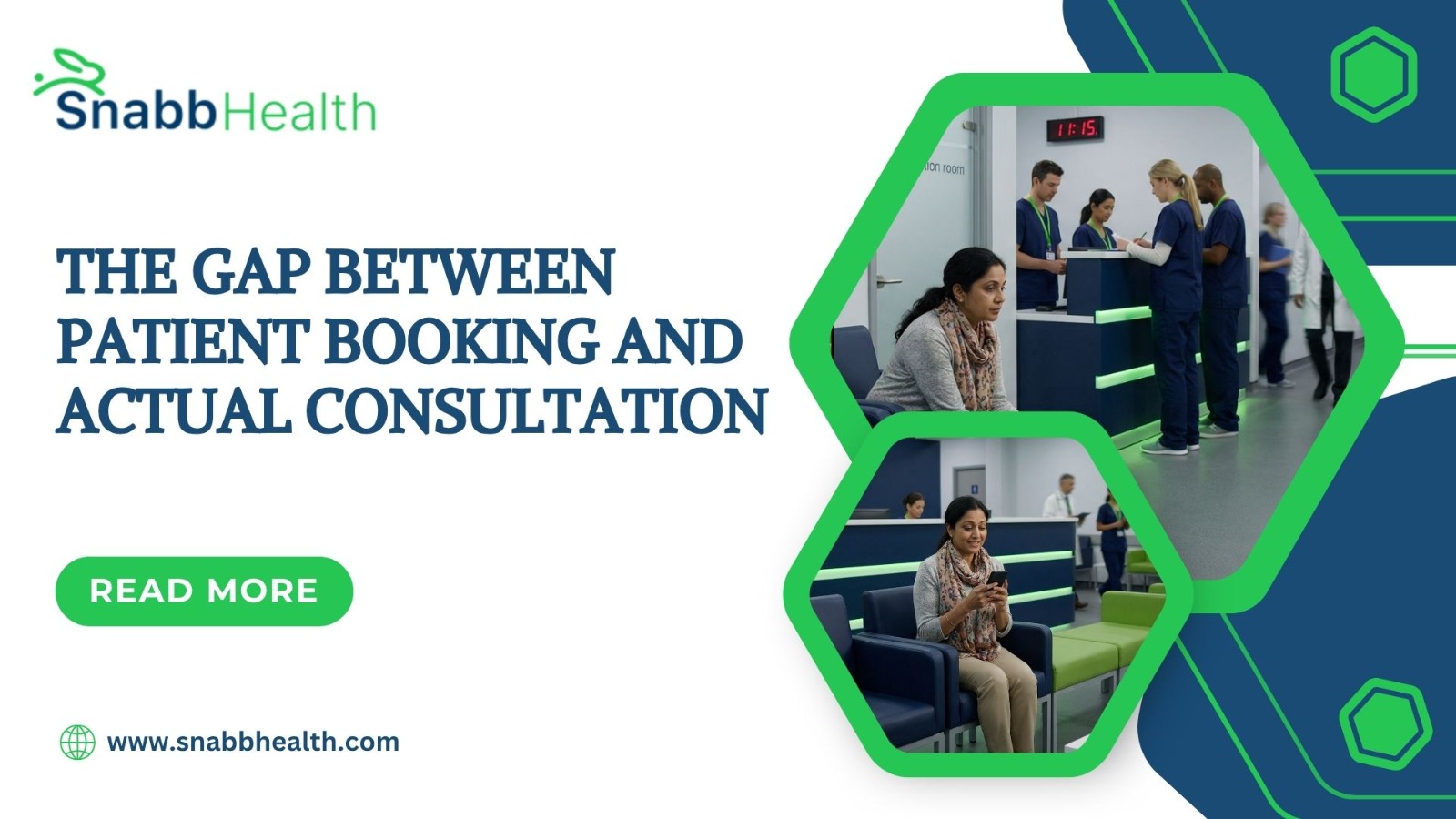
An Appointment Is Booked. But Is the System Ready?
For most patients, booking an appointment feels like the start of care. They select a slot, get a confirmation, and expect the next step to be simple: arrive, consult, and move forward. But in many healthcare settings, the real experience is far less smooth.
Between booking and actual consultation lies a part of the journey that often goes unnoticed by hospital systems but is felt immediately by patients. This is where delays begin, confusion builds, and operational gaps quietly affect the overall care experience.
It is rarely one major issue. More often, it is a series of small breakdowns that add up: incomplete patient details, unclear instructions, long waiting times, rescheduling confusion, missing records, or front-desk bottlenecks. None of these may seem serious on their own, but together they shape the first real impression of care.
What Happens Between Booking and Consultation
An appointment is not just a calendar entry. It triggers a chain of operational steps that need to work together.
From the moment a slot is booked, the system should ideally prepare for the visit. That includes validating patient information, aligning schedules, sharing reminders, organizing records, and managing arrival flow. In reality, these processes are often disconnected.
A patient may face:
- Delayed confirmations or follow-ups
- Repeated form filling at multiple touchpoints
- Long waiting periods after arrival
- Poor visibility into the expected consultation time
- Confusion around documents, tests, or preparation steps
This creates friction before the doctor even enters the picture.
Why This Gap Matters More Than It Seems
Healthcare organizations often focus heavily on clinical outcomes, which is understandable. But the operational journey leading to the consultation matters more than many realize.
When the gap between booking and consultation is poorly managed, it can lead to:
- Patient dissatisfaction before treatment begins
- Increased no-shows or late arrivals
- Pressure on front-desk and coordination teams
- Uneven doctor schedules and avoidable delays
- Lower trust in the overall care experience
Patients do not separate medical quality from process quality. If the system feels disorganized, the care itself may feel less reassuring, even when the clinical team is strong.
That is why this stage is not just administrative. It is part of service delivery.
A Better Pre-Consultation Experience Is Possible
Closing this gap does not require making healthcare more complicated. It requires making operations more connected.
With better automation, integrated scheduling, digital intake workflows, and smarter patient communication, providers can reduce avoidable friction and create a smoother path from booking to consultation.
That means patients arrive better prepared, staff spend less time correcting manual issues, and consultations begin with less stress for everyone involved.
How SnabbHealth Can Help
SnabbHealth supports healthcare organizations in building more connected and efficient patient workflows. Improving the systems behind scheduling, communication, and operational coordination, it helps reduce the friction that often appears between booking and actual consultation.
Because in healthcare, a better patient experience does not begin in the consultation room.
It begins much earlier, with how smoothly the system works before the consultation even starts.